
In our previous discussion, we explored the concept of ‘bridging the chasm’ in manufacturing’s evolution. However, past approaches often led to negative consequences, either through societal division or environmental harm.
There are hundreds of Bridge designs available to cross the chasm.
Today, we need a different kind of bridge – one built on trust, devotion, collaboration, and shared progress.
Imagine the ‘Ram Setu,’ a bridge constructed by Lord Ram’s army, symbolizing unity and dedication. This is the spirit we must embody as we navigate the transformation of manufacturing.
The Ram Setu, also known as Adam’s Bridge, is a chain of limestone shoals located between Pamban Island (Rameswaram, India) and Mannar Island (Sri Lanka), which according to the Hindu epic Ramayana, was built by Lord Rama’s army (Vanara Sena) to reach Lanka (Sri Lanka) and rescue his wife, Sita, from Ravana (The Ruler in Sri lanka).
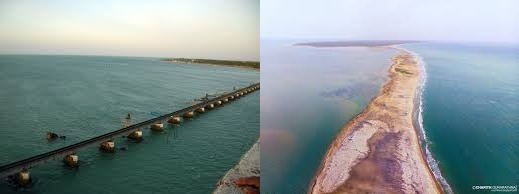
Just as the Ram Setu bridge facilitated a crucial connection in ancient times,built in full faith, devotion and against unprecedented challenges, we need to build bridges in our modern world.
In our interconnected world, transparency and performance are paramount. Successful implementation of new manufacturing technologies hinges on key foundational elements:
1. Cultivating a Skilled Workforce ( The Foundation):
- Targeted Retraining: Implement programs focused on digital literacy, automation, and advanced manufacturing techniques for existing workers.
- Educational Modernization: Update curricula to emphasize STEM skills, critical thinking, and problem-solving.
- Vocational Training: Create apprenticeship and vocational programs that effectively link education with industry needs.
2. Implementing Strategic Policy( The supporting arches):
- Innovation Incentives: Develop government policies that actively encourage technological advancement and sustainable practices.
- Infrastructure Investment: Support the development of reliable, high-speed internet access for all manufacturing facilities, and smart energy grids.
- Transition Support: Provide resources and programs to cushion the impact of job transitions and ensure equitable outcomes.
3. Developing Robust Infrastructure (The Roadway):
- Digital Connectivity: Ensure reliable high speed internet access for all manufacturing facilities.
- Smart Energy Grids: Implement modern and efficient energy distribution.
- Efficient Logistics: Streamline supply chains and transportation networks.
4. Fostering Open Dialogue ( Guiding Signposts):
- Transparent Communication: Initiate honest conversations about the changes driven by Nava-Nirman, addressing concerns and highlighting benefits.
- Stakeholder Engagement: Facilitate discussions involving industry leaders, workers, policymakers, and communities.
- Showcasing Successes: Share real-world examples of how Nava-Nirman is positively impacting lives and industries.
5. Encouraging Global and Regional Cooperation (Global support cables):
- Knowledge Sharing: Facilitate the exchange of best practices and technological advancements across borders.
- Resource Pooling: Collaborate on research and development initiatives to accelerate innovation.
- Regional Collaboration: Emphasize the importance of cooperation between neighboring businesses and regions.
The Nava-Nirman chasm is real, and it’s significant. But it’s not insurmountable. By focusing on building a strong, inclusive bridge – one built on education, smart policy, robust infrastructure, open dialogue, and global cooperation – we can cross to a future of manufacturing that benefits us all.
We invite your insights:
- What specific digital skills are most critical for the future of your industry?
- How can we enhance collaboration between educational institutions and manufacturing businesses?
- What infrastructure developments are most urgent in your region?
Share your thoughts in the comments below, and let’s build this bridge together.
 navariTIE